Vegetable Pancit

Discover the secrets to creating the perfect Vegetable Pancit that will wow your guests every time. Take your cooking skills to the next level and celebrate Earth Day with a natural and sustainable recipe that everyone will love.
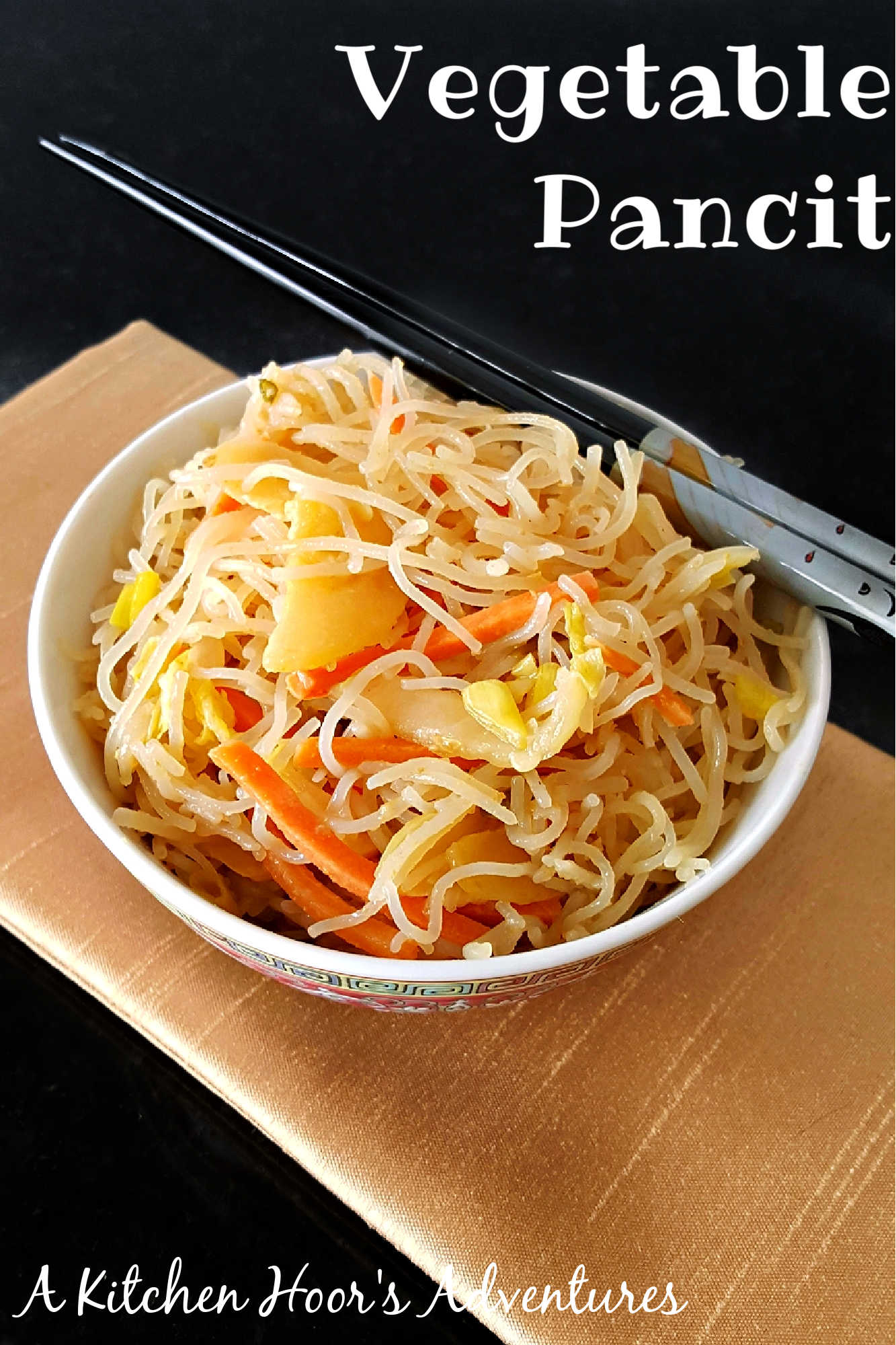
Celebrate Earth Day with a vibrant dish that honors both tradition and sustainability: vegetable pancit. Made with fresh, all-natural ingredients, this Filipino noodle recipe is not only delicious but also a mindful choice for your health and the environment. If you’re not a fan of rice noodles, you can try these Filipino pancit canton made with egg flour canton noodles. By focusing on whole vegetables and rice noodles, you can enjoy a meal that supports clean eating while paying tribute to our planet.
History of Earth Day
Earth Day, first celebrated on April 22, 1970, was created to raise awareness about environmental issues. It was meant to inspire people around the world to care for our planet. Today, it’s a global movement that encourages sustainable living and conscious choices. It’s the perfect occasion to enjoy a wholesome, plant-powered dish like vegetable pancit. Made with rice noodles which have minimal processing, it’s a recipe that checks the delicious box alongside the earth friendly box, too.
What is pancit?
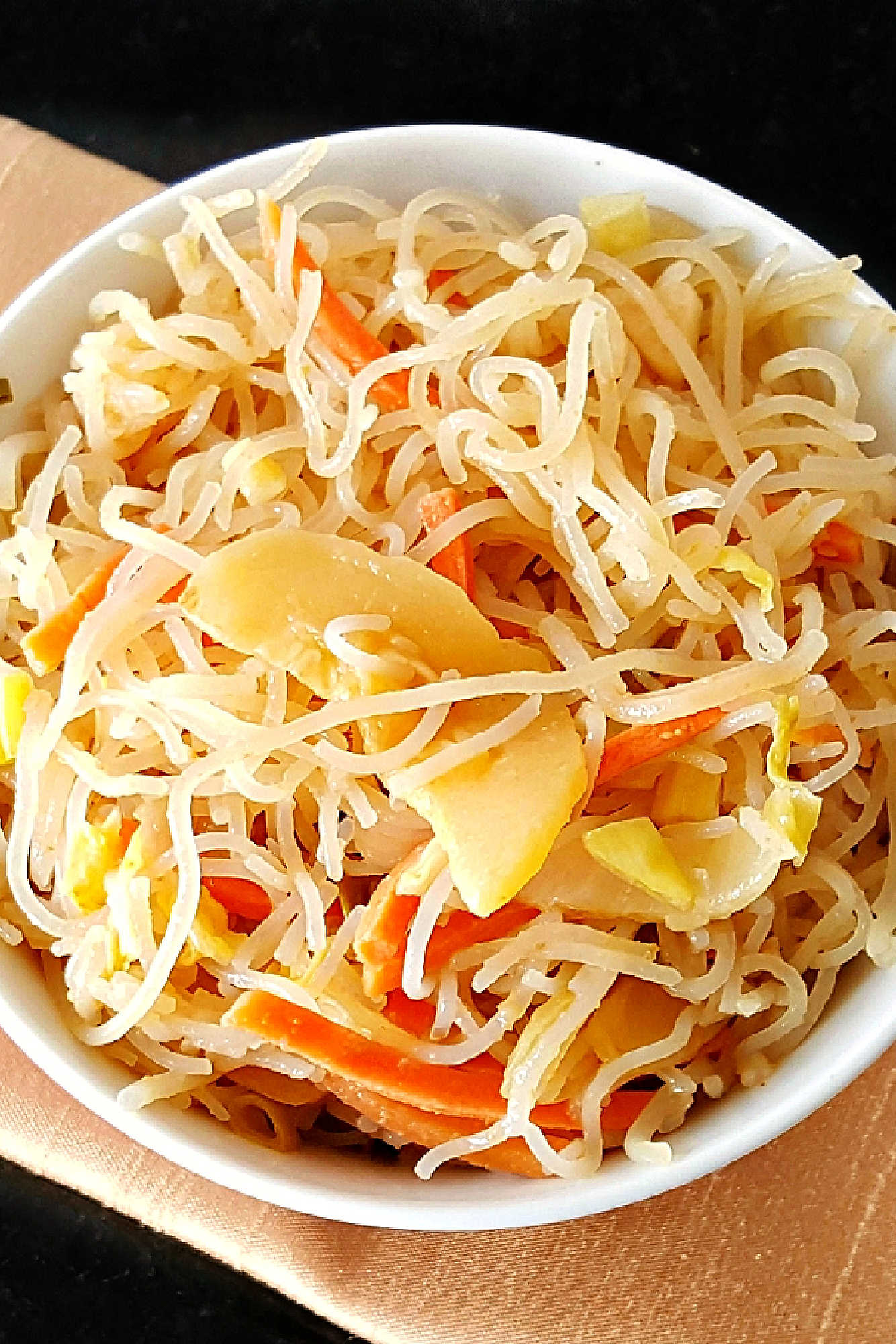
Pancit (pronounced “pahn-sit”) is a beloved Filipino noodle dish that comes in countless regional variations. The word “pancit” simply means “noodles” in Filipino, and it represents a staple at family gatherings, celebrations, and everyday meals. While it’s often prepared with meat and seafood, a vegetable version is just as satisfying and bursting with flavor.
Pancit traces its roots to Chinese immigrants who brought noodle-making techniques to the Philippines centuries ago. Over time, Filipinos adapted the dish, adding local ingredients and flavors to create unique pancit recipes. Vegetable pancit honors this legacy while celebrating the bounty of fresh, natural produce.
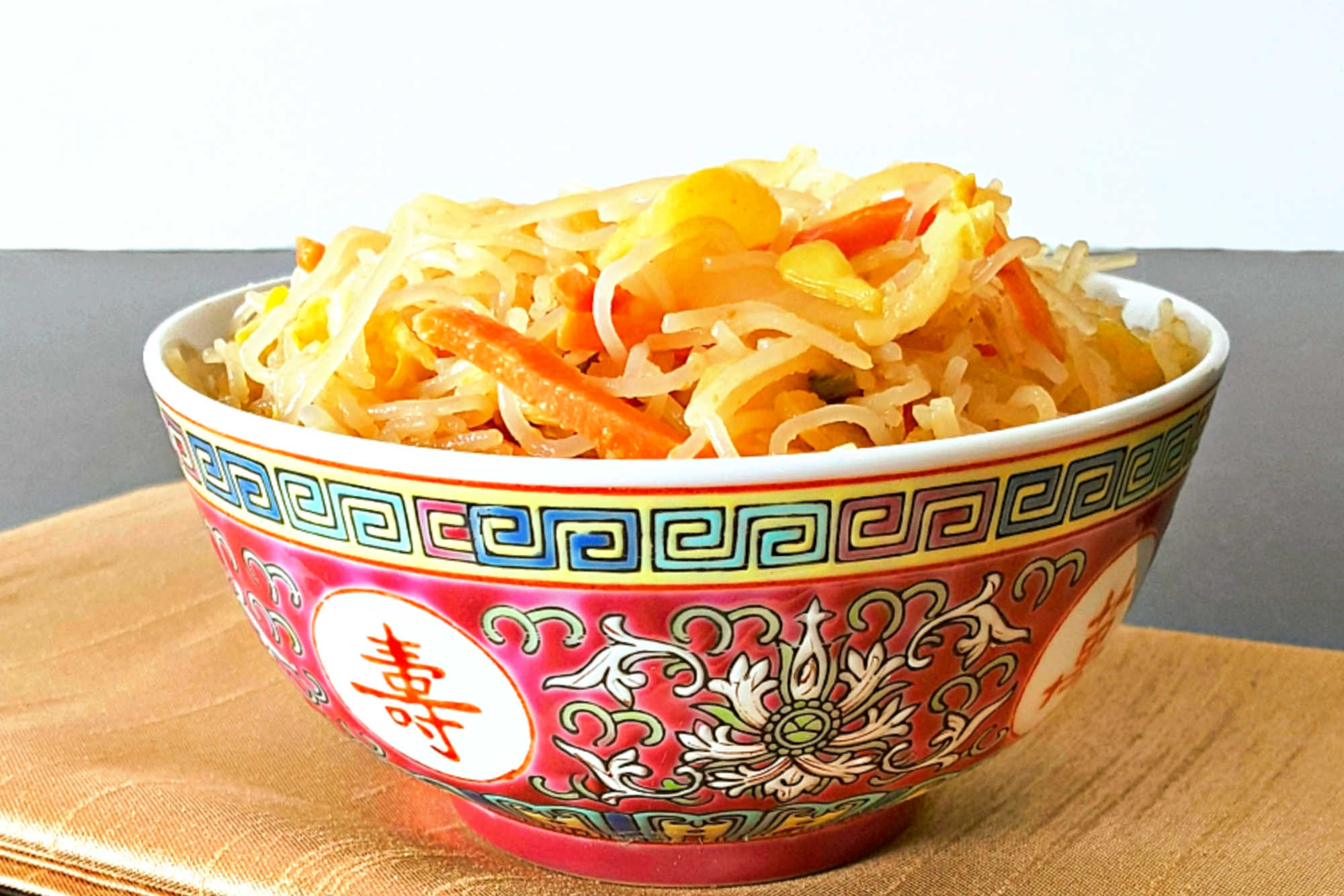
How are rice noodles different than other noodles?
Rice noodles stand out from wheat-based noodles thanks to their light, chewy texture and mild flavor. They’re naturally gluten-free and absorb sauces and seasonings beautifully. This makes them an excellent base for vegetable pancit. Unlike egg noodles or pasta, rice noodles require gentle handling and a quick soak or boil before stir-frying.
If you’d like to try something different in your vegetable pancit, there are plenty of alternatives to rice noodles. Wheat-based noodles like egg noodles or soba can add a heartier texture and richer flavor. Glass noodles (made from mung beans) offer a translucent, chewy bite. For a gluten-free option, sweet potato noodles are gaining popularity for their unique taste and vibrant color. Each noodle type brings its own character to the dish, so feel free to experiment and find your favorite!
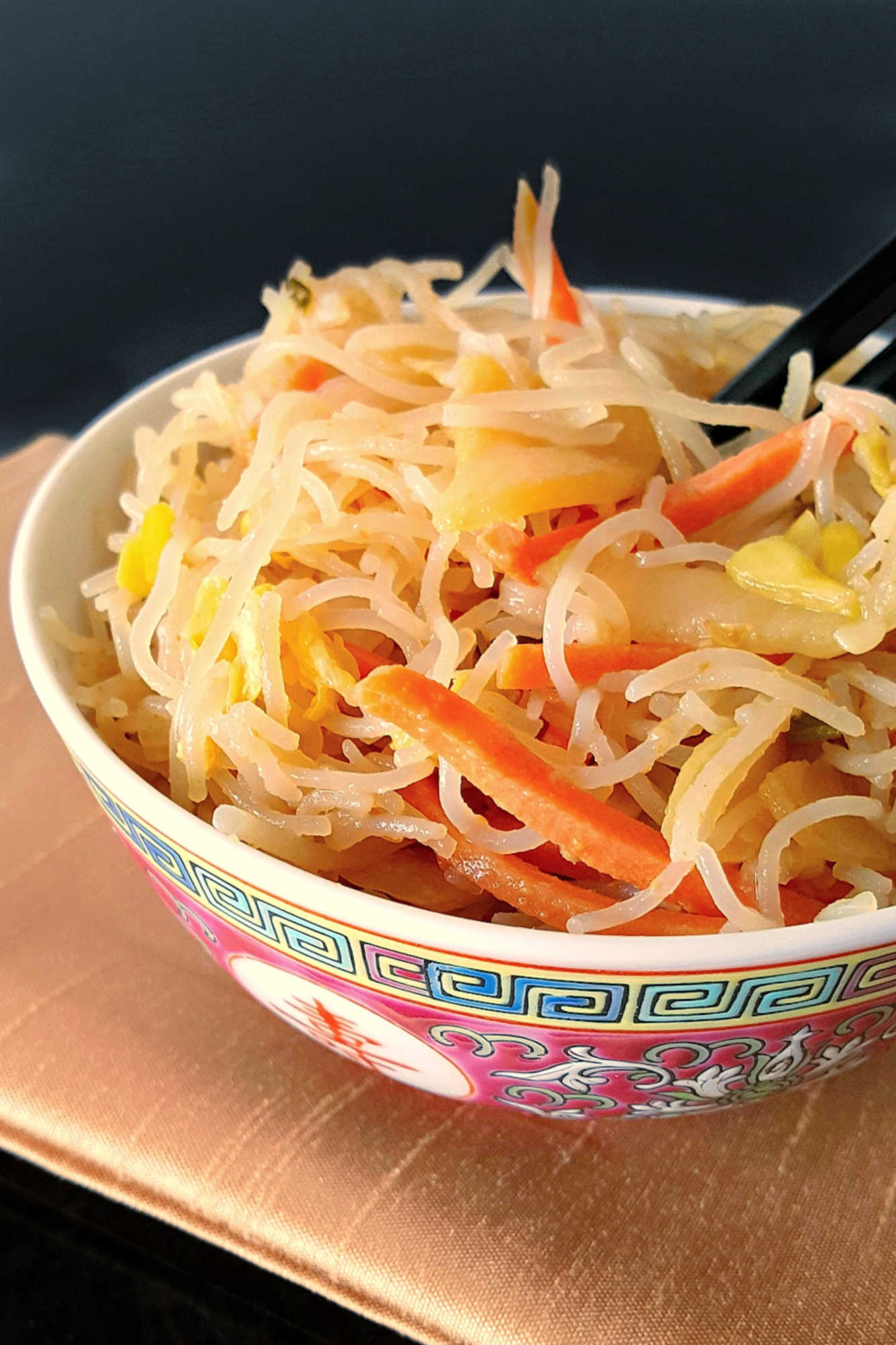
Importance of eating all natural foods
Choosing all natural foods isn’t just good for your health. It’s also a way to support the planet. Natural ingredients are minimally processed and free from synthetic additives, preserving their nutrients and flavors. By filling your vegetable pancit with fresh, whole vegetables, you’re making a sustainable choice that’s good for you and the Earth.
To keep your footprint low, incorporate more legumes, nuts, and leafy greens to your diet. Legumes have a low footprint but are high in protein. Some nuts, like almonds and walnuts, are carbon negative. They absorb more carbon than they produce. Veggies like kale, zucchini, spinach and broccoli require fewer pesticides but have a lot of nutrients.
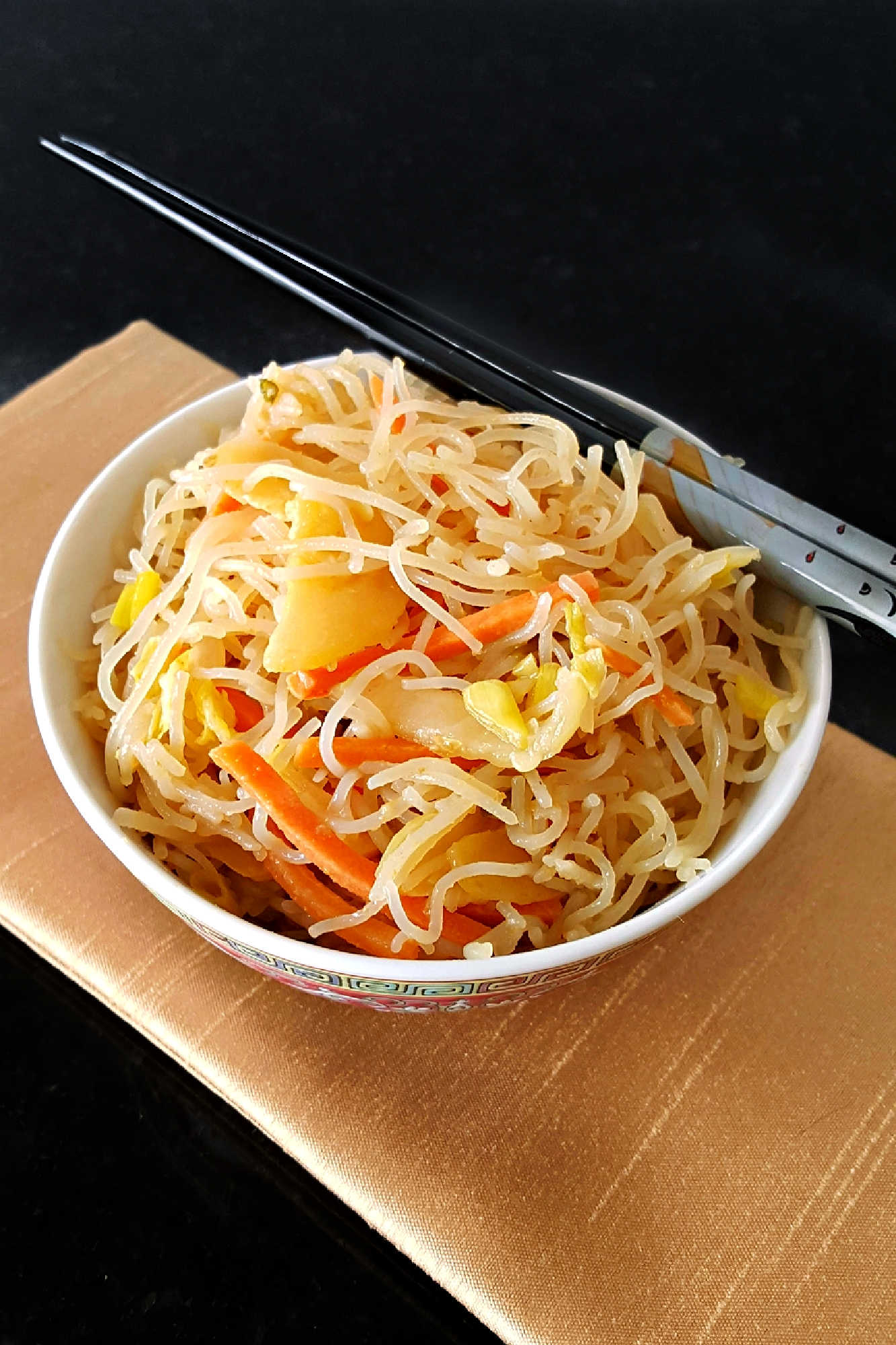
Another way to reduce your carbon footprint is to eat locally. It supports local biodiversity and reduces fuel costs because local produce doesn’t have to travel far. It also helps to eat the whole thing. Don’t peel veggies. Just give them a good scrub and wash. If you want to peel potatoes for mashed potatoes then oven or air fry the skins for chips. I also toast up my butternut squash seeds like pumpkin seeds. If you are on the fence about eating squash skins, then try a small kitchen compost bin.
Selecting the Right Ingredients
For the best vegetable pancit, use a colorful mix of seasonal vegetables. This recipe calls for carrots, cabbage, onions, green onions, and celery. Choose organic when possible, and don’t forget aromatics like garlic and ginger. You’ll also need rice noodles, low-sodium soy sauce, and a splash of lime juice for brightness.
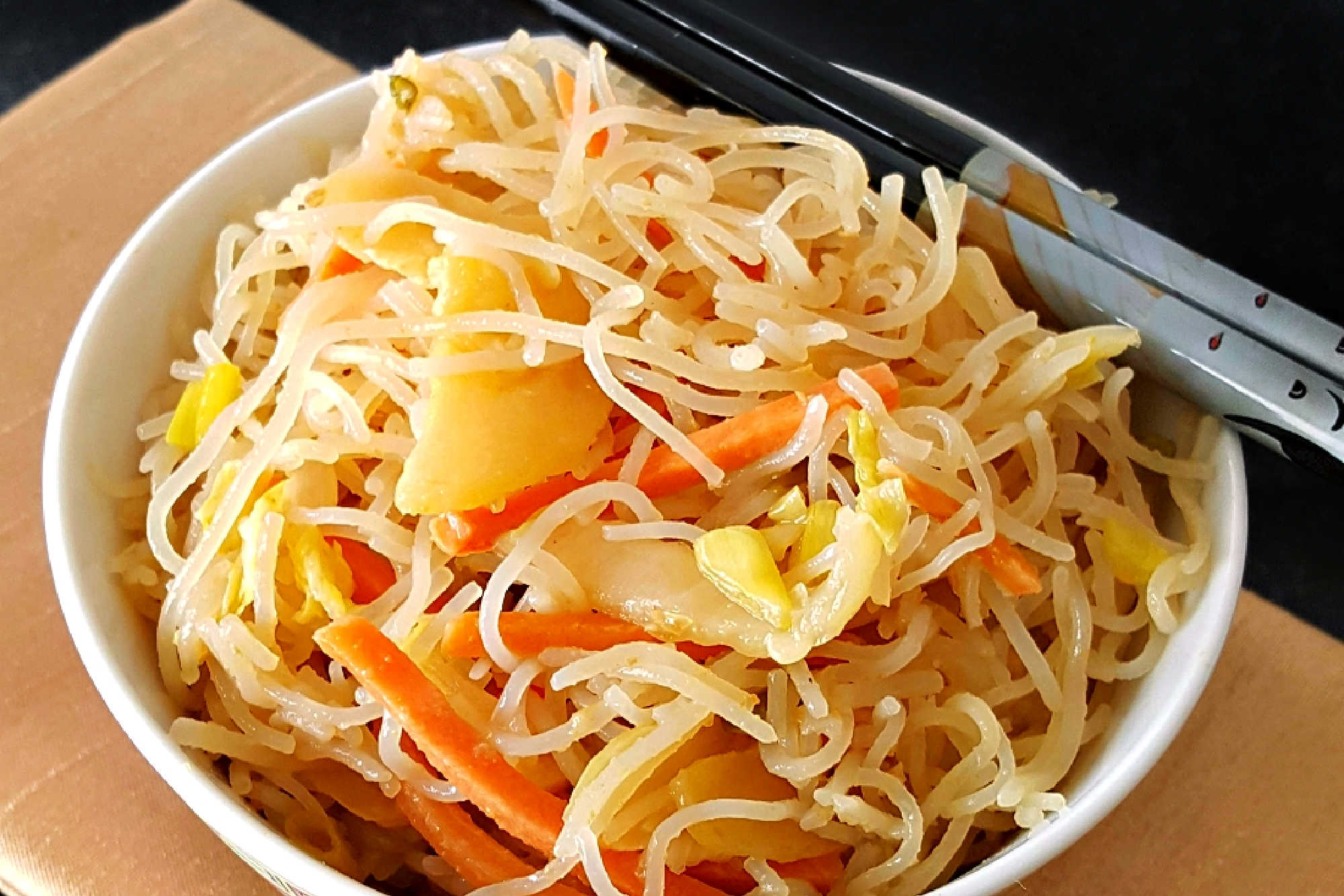
Mastering the Cooking Techniques
The secret to perfect pancit lies in stir-frying your vegetables just until crisp-tender. This preserves their texture and nutrients. Soak the rice noodles according to package instructions. Next, add them to the pan. And finally toss them gently with the vegetables and sauce until everything is well combined and heated through. Avoid overcooking to prevent mushy noodles.
Balancing Flavors and Seasonings
Pancit is all about harmony pairing salty, savory, tangy, and sweet in one recipe. Use low-sodium soy sauce or tamari for umami. Add a touch of organic hoisin sauce for a smoky sweetness. Finally a drizzle of lime juice rounds out all the flavors. Adjust seasoning to taste, and add freshly ground black pepper or chili flakes for a gentle kick if you like.
Tips for Serving and Storing
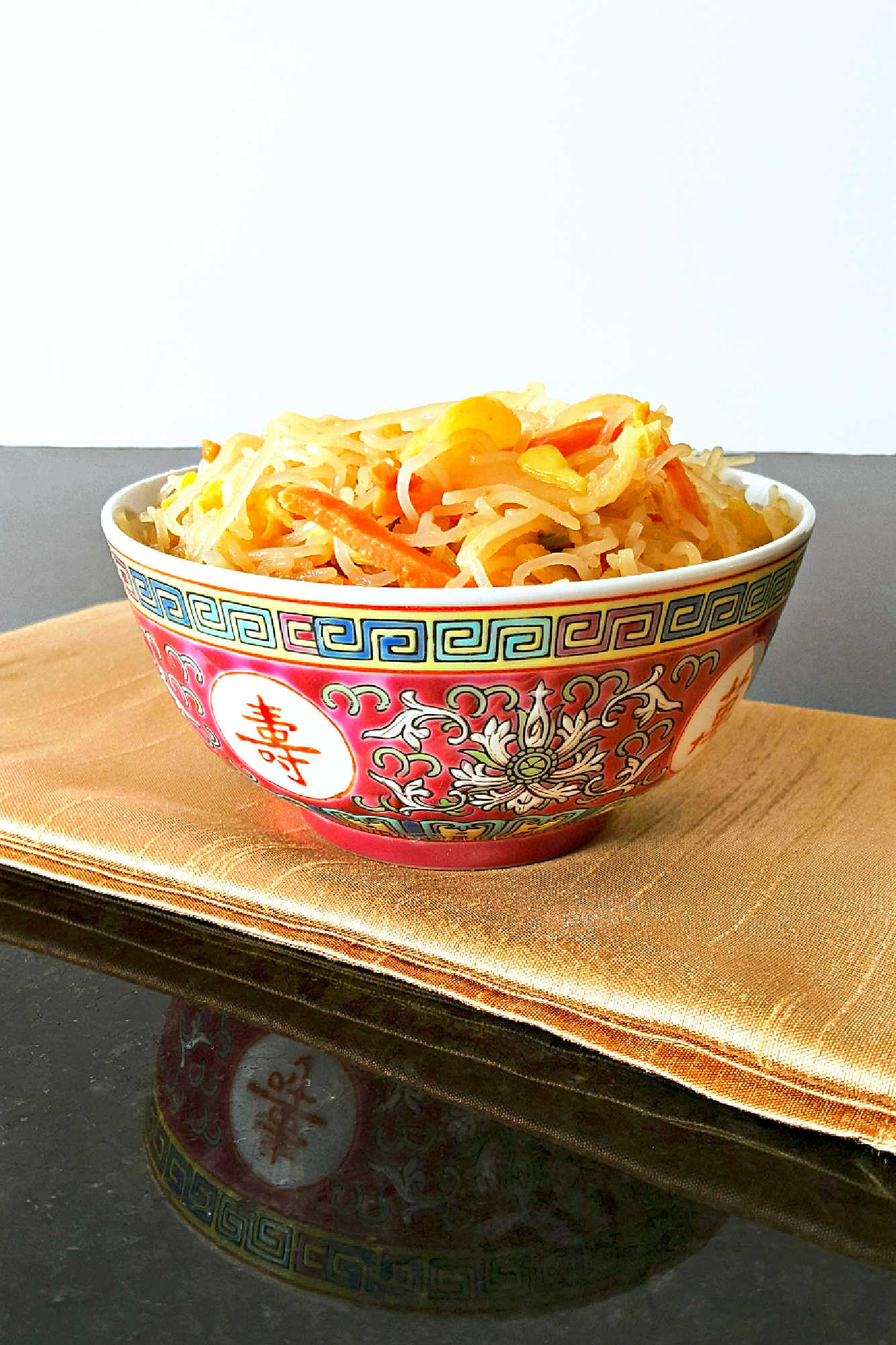
Presentation matters! Arrange your vegetable pancit on a large platter, garnished with fresh herbs like cilantro or green onions. Place a few lemon wedges on the side for people to squeeze over their pancit. The vibrant colors of the vegetables should make this vegetable pancit as appealing to the eyes as it is to the palate.
You can serve vegetable pancit hot or at room temperature. This makes it perfect for potlucks or picnics. Leftovers keep well in the fridge for up to three days. Reheat gently in a pan with a splash of water to revive the noodles. Or sprinkle with some water and top with a lid and reheat in small bursts in the microwave. Store in an airtight glass container for maximum freshness.
Enhancing the Dish for Earth Day
Make your Earth Day celebration extra special by sourcing your vegetables from local farmers’ markets, using organic and seasonal produce, and reducing food waste by incorporating vegetable scraps into homemade broths. Invite friends and family to share this nourishing, eco-friendly meal, and toast to a healthier planet one delicious bowl at a time!
What does this easy vegetable pancit taste like?
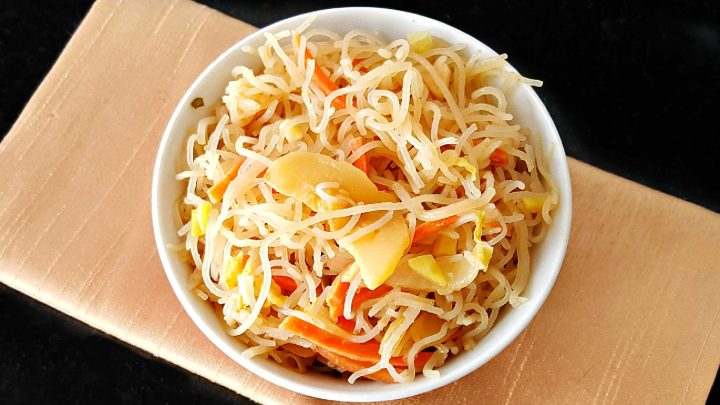
I wanted a whole plate of just this!! The flavors were fantastic, the noodles were perfect, and it was the best lunch ever!! There’s carrot, zucchini, celery, Napa cabbage and some green onions. Granted, it’s not the easiest to toss a pancit with the vegetables but trust me; they’re all there. And so is the delicious flavor! Vegetable broth is mixed with soy sauce, hoisin sauce, sesame oil and spices. This gives the noodles so much flavor.
And since this goes on the plate quickly it is the best meat free meal to keep on hand. You can easily grill some meat to slice and put on top if you’re not doing a Meatless Monday type thing. It’s so versatile, you’re going to wonder how you lived without this deliciously quick dish.

Vegetable Pancit
Vegetable pancit is all about balance and flavor, inspired by everyday wellness. Cook up this natural recipe and discover how easy it is to make veggies a regular part of your routine.
Ingredients
- 8 ounces rice noodles
- 2 cups vegetable broth
- 2 tablespoons soy sauce
- 1 tablespoon hoisin sauce
- 1/2 teaspoon sesame seed oil
- Pinch crushed red pepper
- 1 tablespoon extra-virgin olive oil
- 1 tablespoon minced garlic
- 1 tablespoon minced ginger
- 1/2 cup thinly sliced onion
- 1/2 cup shredded carrots
- 1 cup thinly sliced celery
- 1 cup thinly sliced napa cabbage
- 1/2 cup thinly sliced green onions
Instructions
- Place the rice noodles in a large bowl of warm water and allow to soften while you prep the other ingredients.
- Combine next six ingredients (broth through red pepper) in a small mixing bowl. Set aside.
- Preheat a large skillet over high heat and add the olive oil. Swirl the pan to coat and then add the garlic and ginger, stirring constantly, until fragrant. Add the onions, carrots, and celery to pan. Stirring frequently, stir-fry the vegetables until they begin to brown. Add the cabbage and green onions, stirring to combine.
- At this point, the noodles should be soft. Drain the noodles (or if you’re like me, just grab them with your hands out of the bowl) and add them to the pan. Using tongs, toss the noodles with the vegetables to combine them before pouring the broth mixture over the noodle mixture.
- Bring to a boil then reduce heat to a simmer. Continue to cook until almost all of the liquid has been absorbed keeping an eye on the noodles so they aren’t overcooked.
- Toss the noodles again making sure to distribute the vegetables as evenly as possible throughout the noodles. (I know, it’s not easy.) Serve with Philippino pork, teriyaki steak, or hoisin chicken.
Nutrition Information
Yield
4Serving Size
1Amount Per Serving Calories 180Total Fat 5gSaturated Fat 1gUnsaturated Fat 4gSodium 924mgCarbohydrates 31gFiber 4gSugar 7gProtein 5g

All Natural Recipes
All Natural Foods
Green Beans with Shallots and Tomatoes
These green beans with shallots and tomatoes make a wonderful vegetable dish that you'll be tempted to eat with your fingers, kind of like French fries.
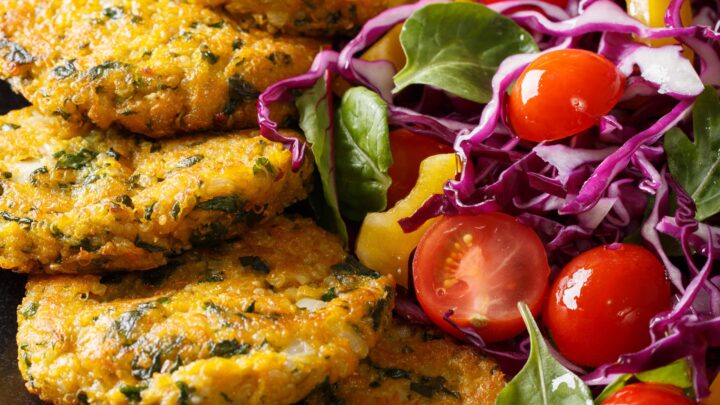
Delicious Quinoa Burgers
These delicious quinoa burgers are packed with nutrients! They are a vegetarian main dish that is hearty and filling.
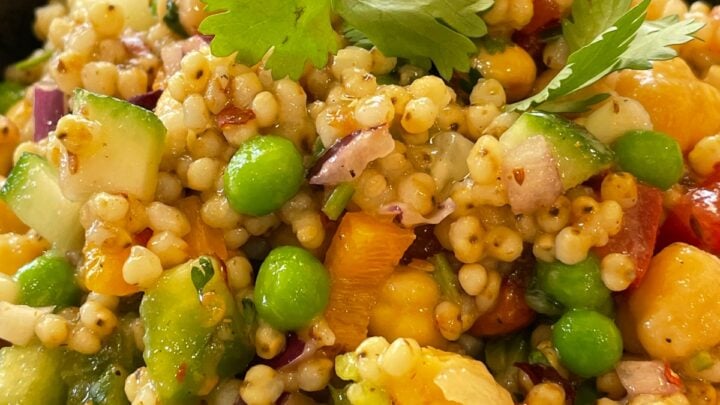
Jowar Salad / Sorghum Salad
This sorghum salad is a simple, colorful, and delicious salad that is rich in flavors, nutrition, and textures.
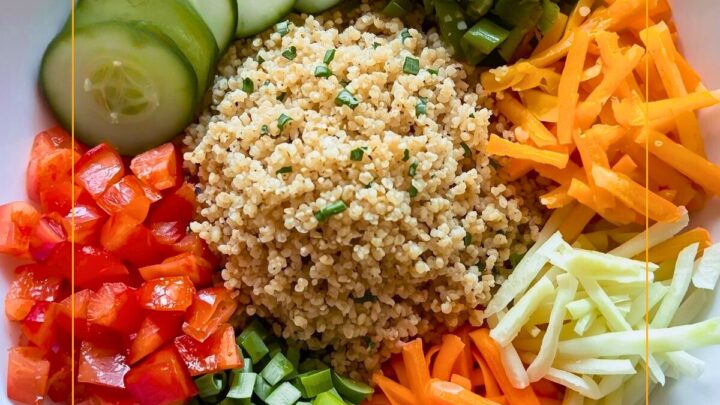
Discover the Healthy Delight of Sprouted Quinoa Salad
Nutrient-packed sprouted quinoa salad recipe and elevate your taste buds! Packed with protein and flavor, it's perfect for a healthy lunch or dinner.
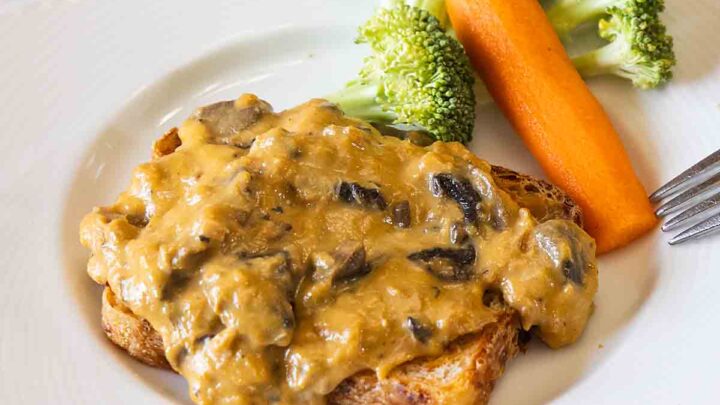
Vintage Tuna Rarebit
Come enjoy this makeover of the vintage classic Tuna Rarebit. With rich cheddar and healthy tuna it will please kids and adults.
We share Recipes From Our Dinner Table! Join our group and share your recipes, too! While you’re at it, join our Pinterest board, too!