Easy Japanese Kani Salad

Cool, creamy, crunchy, and ready for sushi night at home. This Japanese kani salad uses imitation crab, crisp veggies, sesame, and spicy mayo dressing.
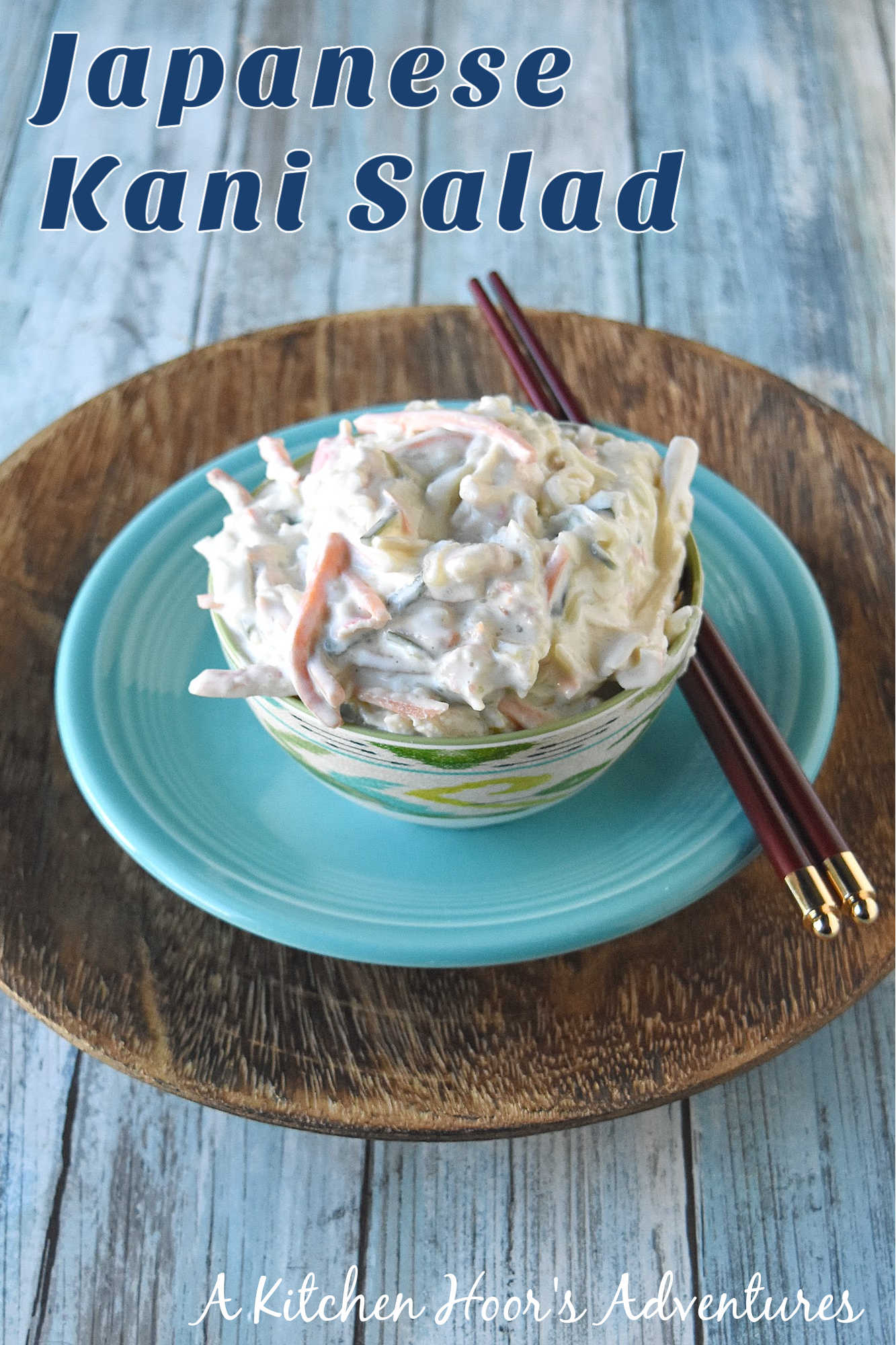
This Japanese kani salad is perfect when something cool, creamy, and crunchy needs to come together without a lot of prep. It has the sushi-restaurant flavor people crave, but it uses simple ingredients found at most grocery stores. Shredded imitation crab brings a soft, silky bite, while cucumber, carrot, and cabbage keep everything fresh and crisp. The sesame mayo dressing ties it all together with tang, sweetness, and a little heat.
What is Kani Salad?
Kani salad is the kind of Japanese-inspired salad that feels fancy, but it comes together with everyday ingredients. It usually stars shredded kani, which often means imitation crab in American sushi restaurants. The crab is tossed with crisp vegetables and a creamy dressing that tastes bright, lightly sweet, and a little savory.
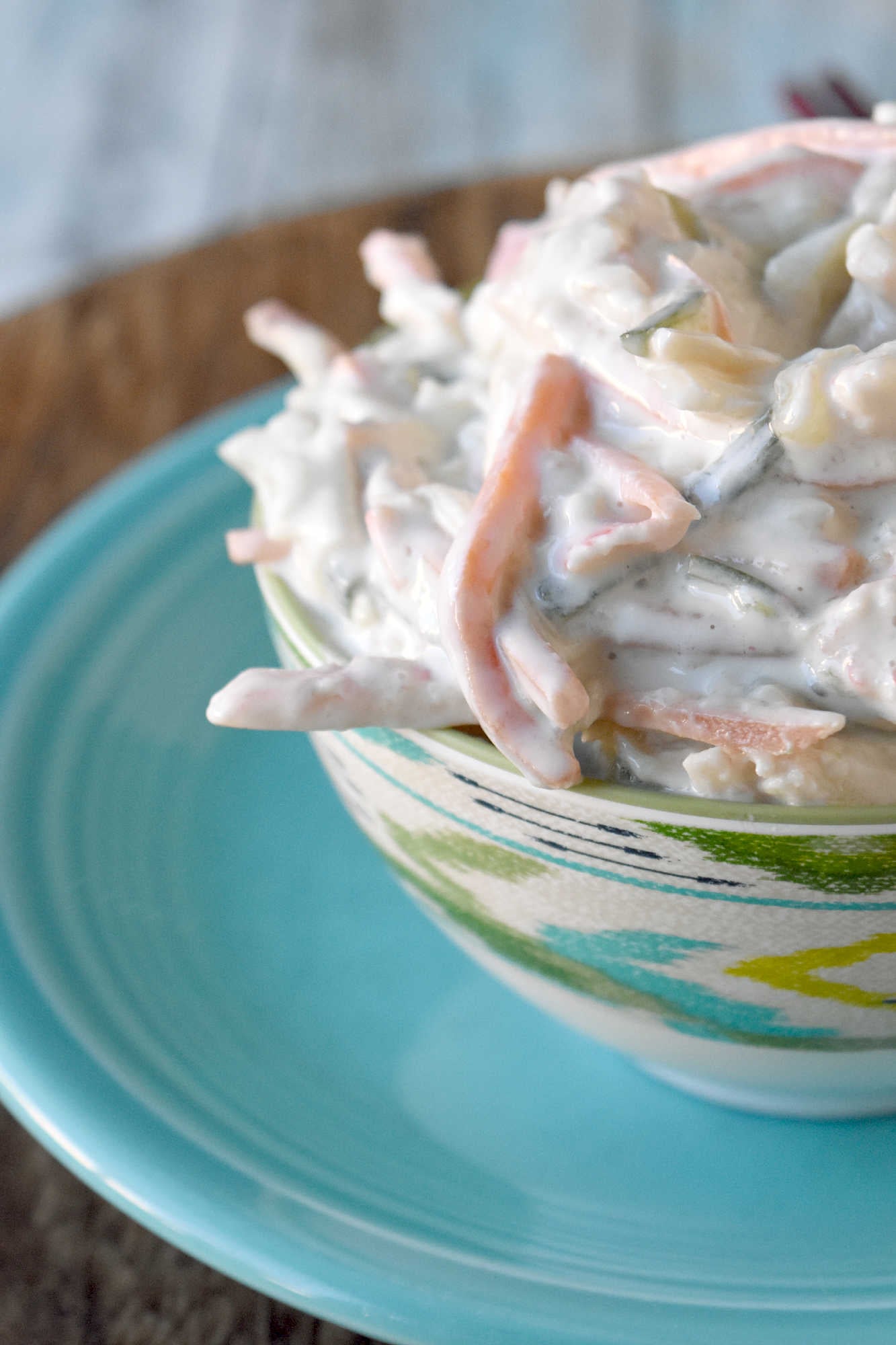
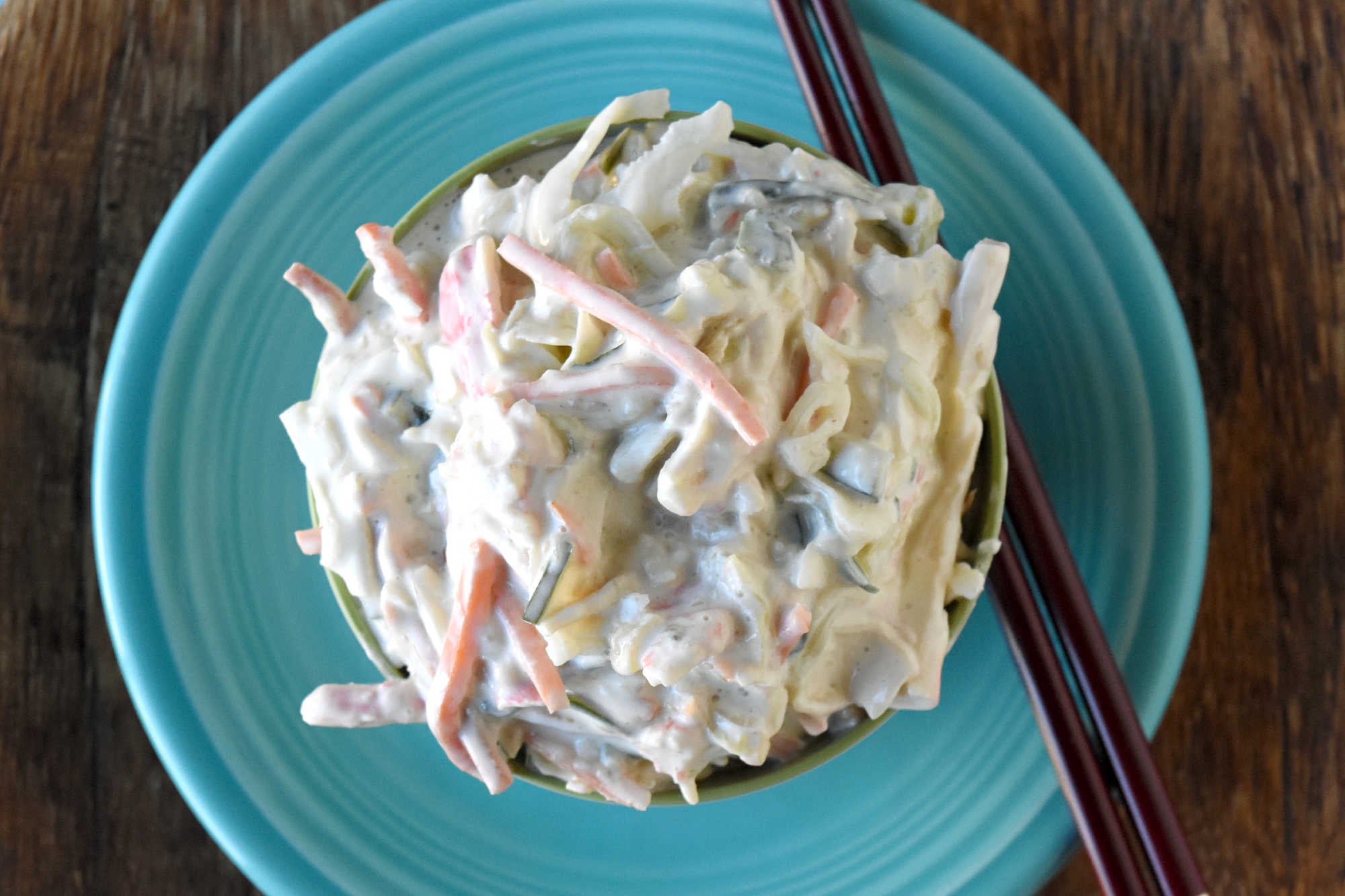
This version has shredded imitation crab, cucumber, carrot, cabbage, and black sesame seeds. Everything is tossed in a quick dressing with mayonnaise, lemon juice, rice vinegar, sugar, sesame oil, sriracha, and tamari soy sauce. It is cool, creamy, crunchy, and just spicy enough to keep you going back for another bite.
What is Imitation Crab, and Who Invented It?
Imitation crab is a Japanese seafood product made from surimi. Surimi is a paste usually made with finely minced Alaskan pollock or another mild white fish like whiting or cod. It is shaped and flavored to resemble crab meat. In Japan, it is often called kanikama, a word that blends kani, meaning crab, and kamaboko, meaning fish cake.
The history is a little more layered than one single inventor. Sugiyo produced and patented a flake-style imitation crab product in 1974. At the same time Osaki Suisan launched its crab-flavored Fish Stick in 1974 and first produced and patented imitation crab sticks soon after. Osaki Suisan credits Katsuichi Osaki with developing the Fish Stick that helped shape modern kanikama.
Why Skeptics Should Give This Ingredient a Second Look
Imitation crab has a reputation problem. Some cooks dislike the word imitation. Others remember rubbery seafood salads from deli cases. Some packages also include starches, flavorings, and color. All of these make the ingredient feel less simple than fresh seafood.
I get it. But in the right recipe, that is not a flaw. It is the point. Kani salad works because the ingredient is mild, tender, easy to shred, and ready to eat. It lets the dressing and vegetables do their best work. Think of it less as a crab replacement and more as a prepared seafood ingredient. When you choose a better-quality package and build the salad with fresh produce, the dish tastes intentional.
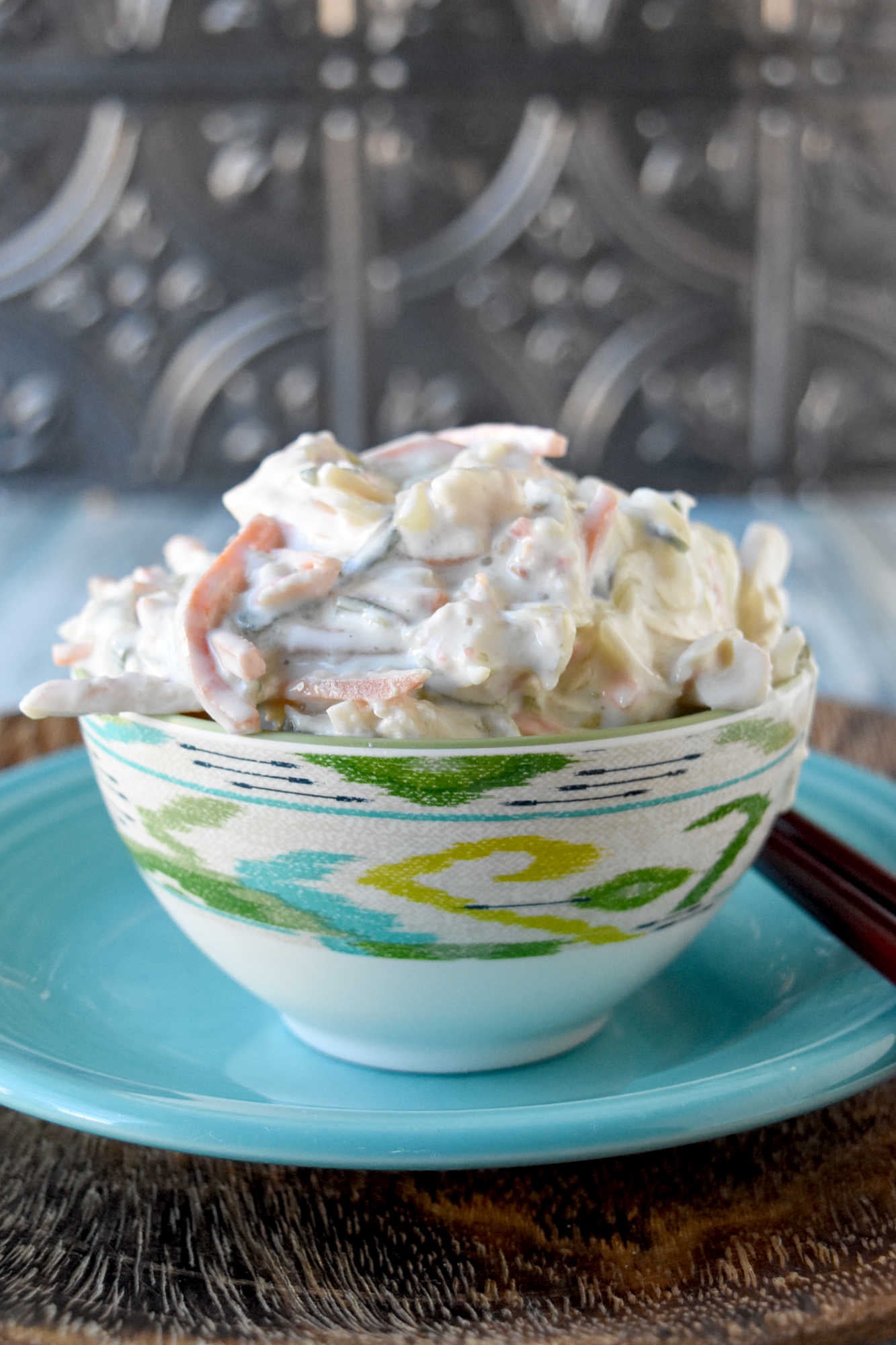
That is why this salad leans into freshness. The cucumber, carrot, cabbage, lemon, rice vinegar, and sesame oil bring balance. The imitation crab adds body and gentle sweetness. Together, they make a salad that feels clean, cool, and satisfying. It tastes like the cool, creamy kani salad you order before sushi.
How to Choose Better-Quality Imitation Crab
For the best Japanese kani salad recipe, look for imitation crab that lists fish or surimi near the top of the ingredient list. Alaska pollock is common and works well. Choose pieces that look moist, not dry. They should shred into soft strands instead of breaking into powdery chunks.
If you can, buy leg-style sticks or chunks that pull apart by hand. Skip packages with a strong fishy smell, freezer burn, or too much excess liquid. A mild aroma and springy texture are good signs. This one choice makes the salad feel fresh, balanced, and restaurant-style.
Texture and Sweetness Makes this Side Dish Shine
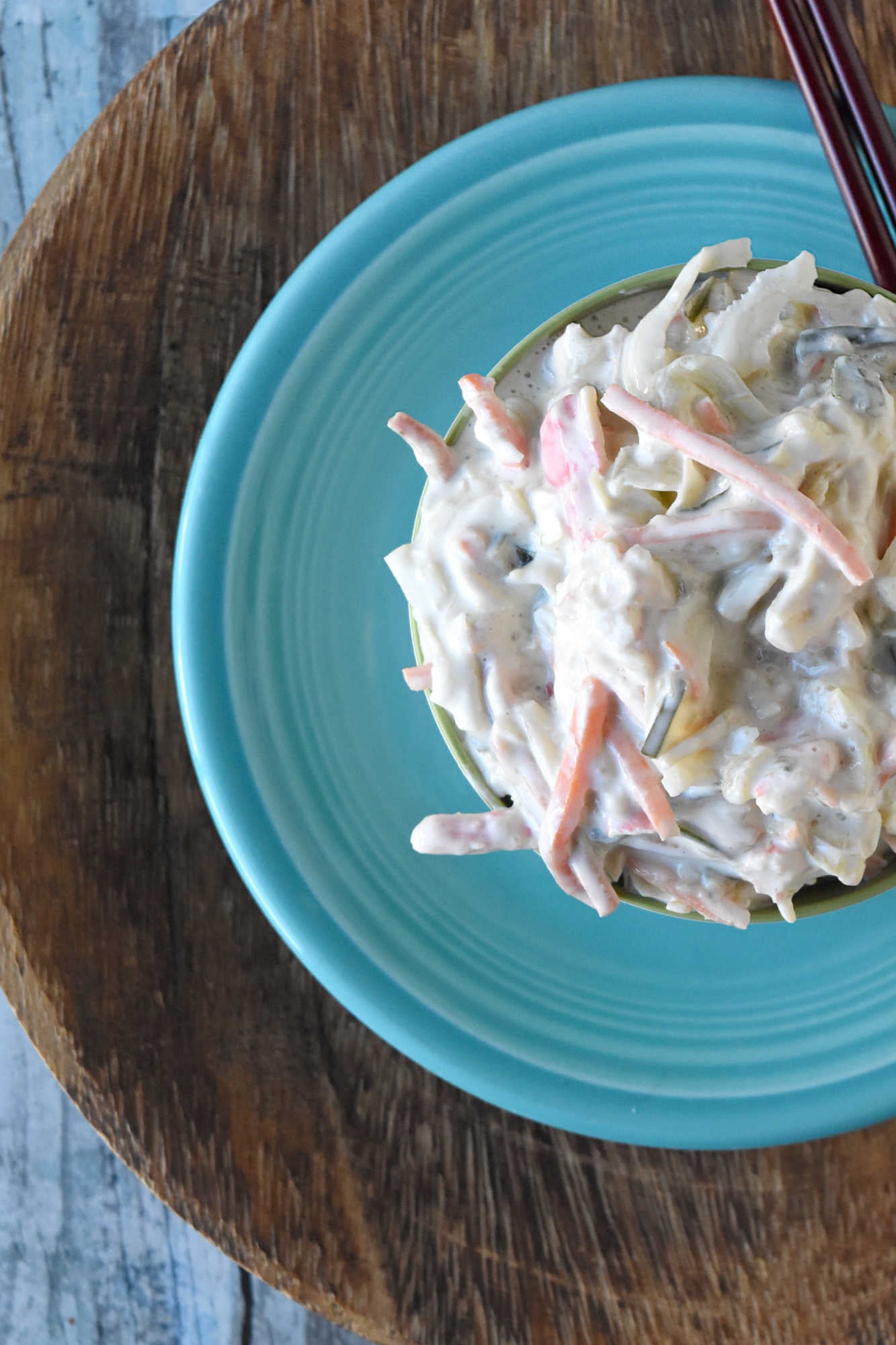
The best part of kani salad is the texture. Shredded imitation crab turns silky once it meets the creamy dressing. It wraps around the vegetables instead of sitting apart from them. Each bite has crisp cabbage, juicy cucumber, sweet carrot, and tender crab strands. That contrast makes the salad feel light but still filling. It is not heavy like a mayo-based pasta salad. It is more like a chilled sushi-bar side dish with crunch, creaminess, and a little heat.
This salad has a mild sweetness that plays well with tangy dressing. The sugar and rice vinegar give the mayo a soft sweet-and-sour flavor. Lemon juice keeps it bright. Sesame oil adds warmth. Tamari brings savory depth, while sriracha gives a gentle kick. The cucumber tastes cooler. The carrot tastes sweeter. The sesame tastes nuttier. The cabbage tastes fresher. That is the magic of this easy kani salad recipe.
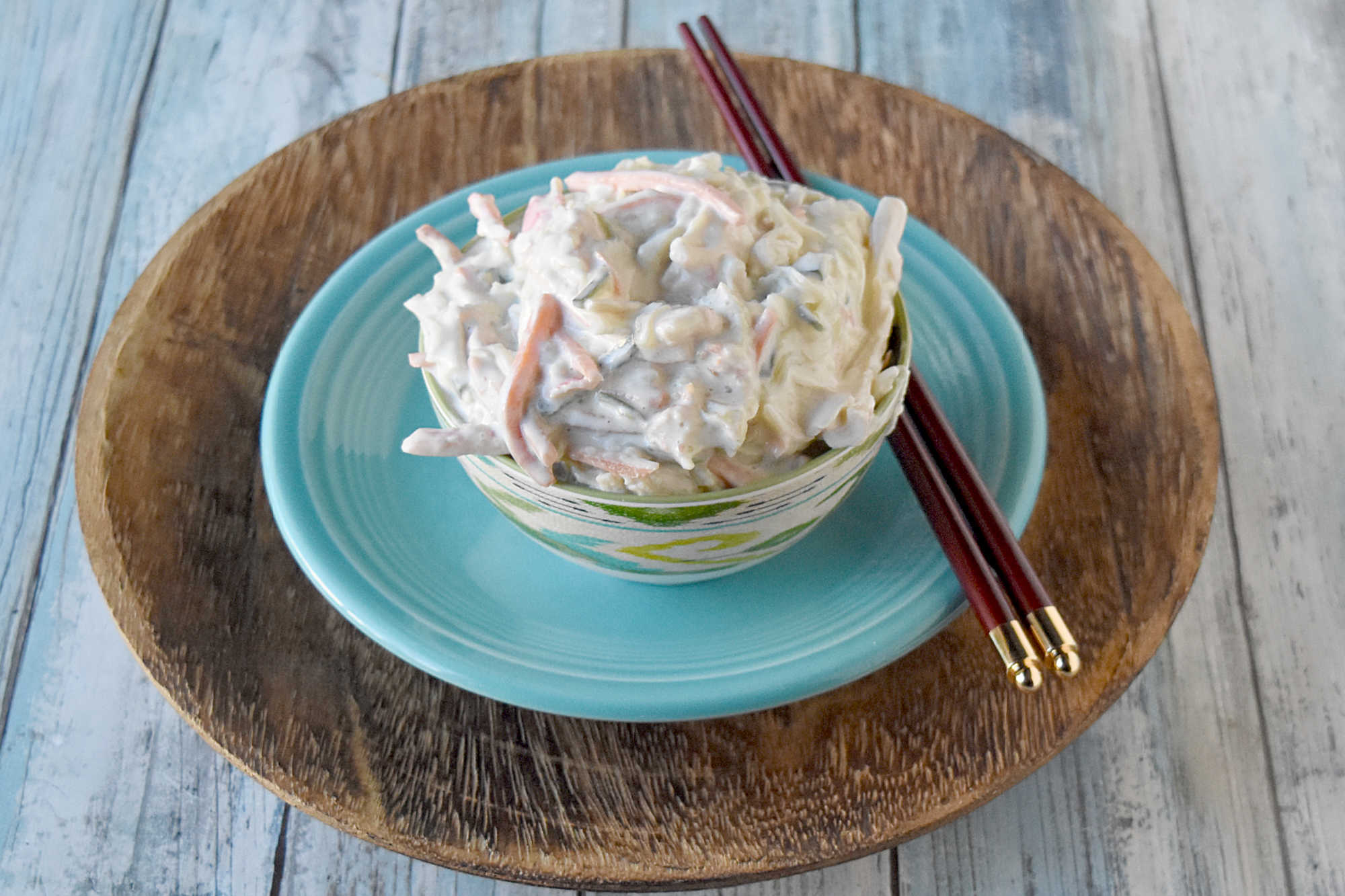
Types of Cabbage to Use in This Recipe
Green cabbage is the easiest choice. It is crisp, affordable, and sturdy enough to hold the dressing. Napa cabbage gives the salad a softer bite and a more delicate feel. Savoy cabbage works too, especially if you want ruffled leaves and a tender crunch. Bok choy is another good option when sliced thin, since the pale stems add crispness and the leaves bring a mild, fresh flavor.
Picking the Best Produce for This Japanese Salad Recipe
Choose a firm cucumber with thin skin and very few soft spots. English cucumber and Persian cucumber are great because they have tender skin and fewer seeds. If you use a standard cucumber, scoop out the watery center before shredding.
Pick carrots that feel firm and sweet. Freshly shredded carrots taste better than bagged matchsticks here. Orange carrots work beautifully, but different colored carrots add extra visual appeal. Try purple, yellow, red, or white carrots for a brighter farmers market look. For cabbage, look for tight leaves and a fresh cut end. The produce should taste crisp before it ever touches the dressing.
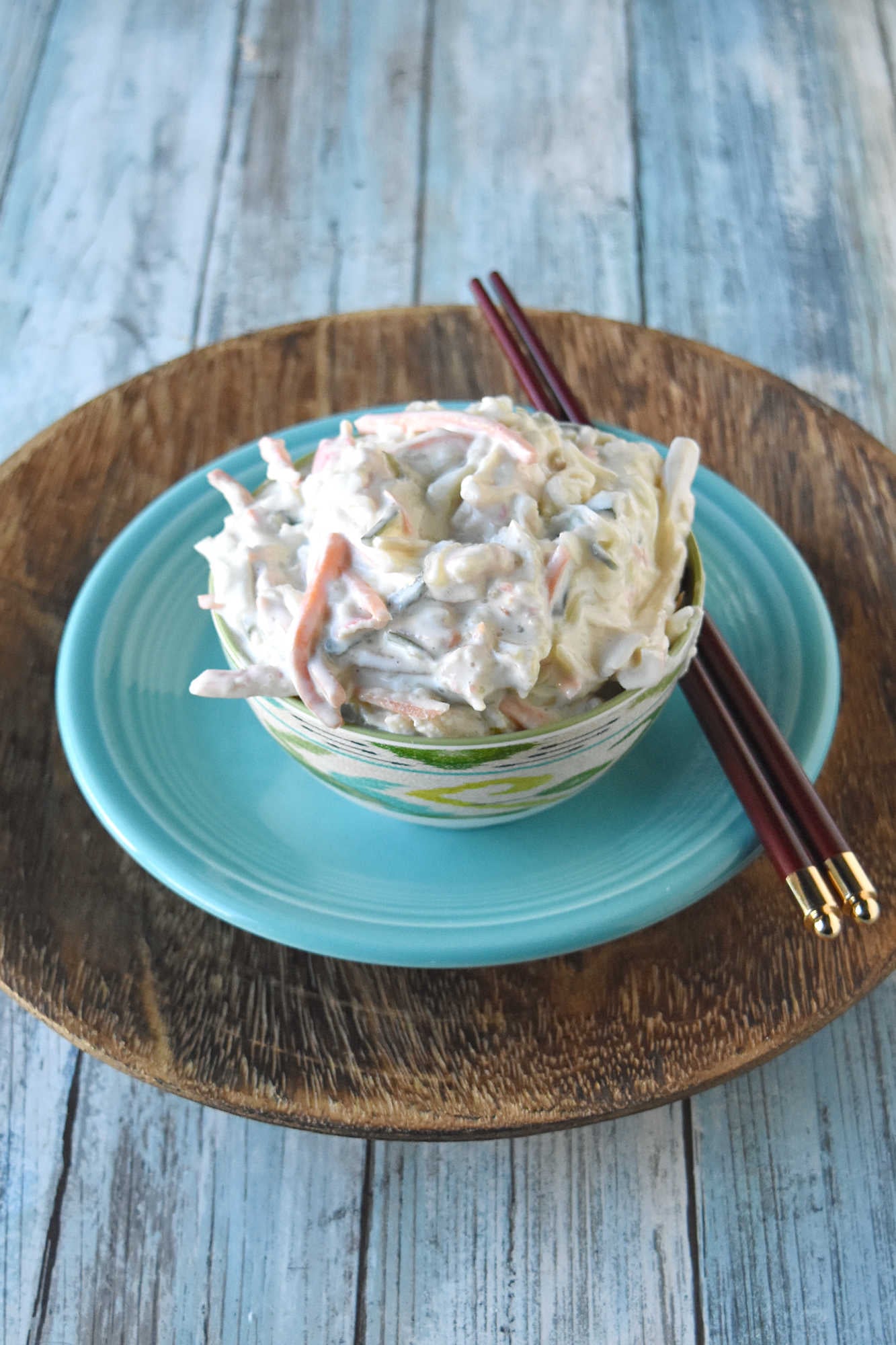
Build the Salad with Crisp Farmer’s Market Vegetables
This salad loves crunchy, fresh vegetables. Keep the base simple, then add what looks beautiful at the market. Thinly sliced radishes, snap peas, scallions, or baby greens all work well. Just keep the pieces fine and delicate so the salad stays silky.
For the best texture, shred the vegetables and pat watery produce dry. This keeps the dressing creamy instead of thin. Toss the salad right before serving if you want maximum crunch. Chill it for 15 to 30 minutes if you want the flavors to mingle.
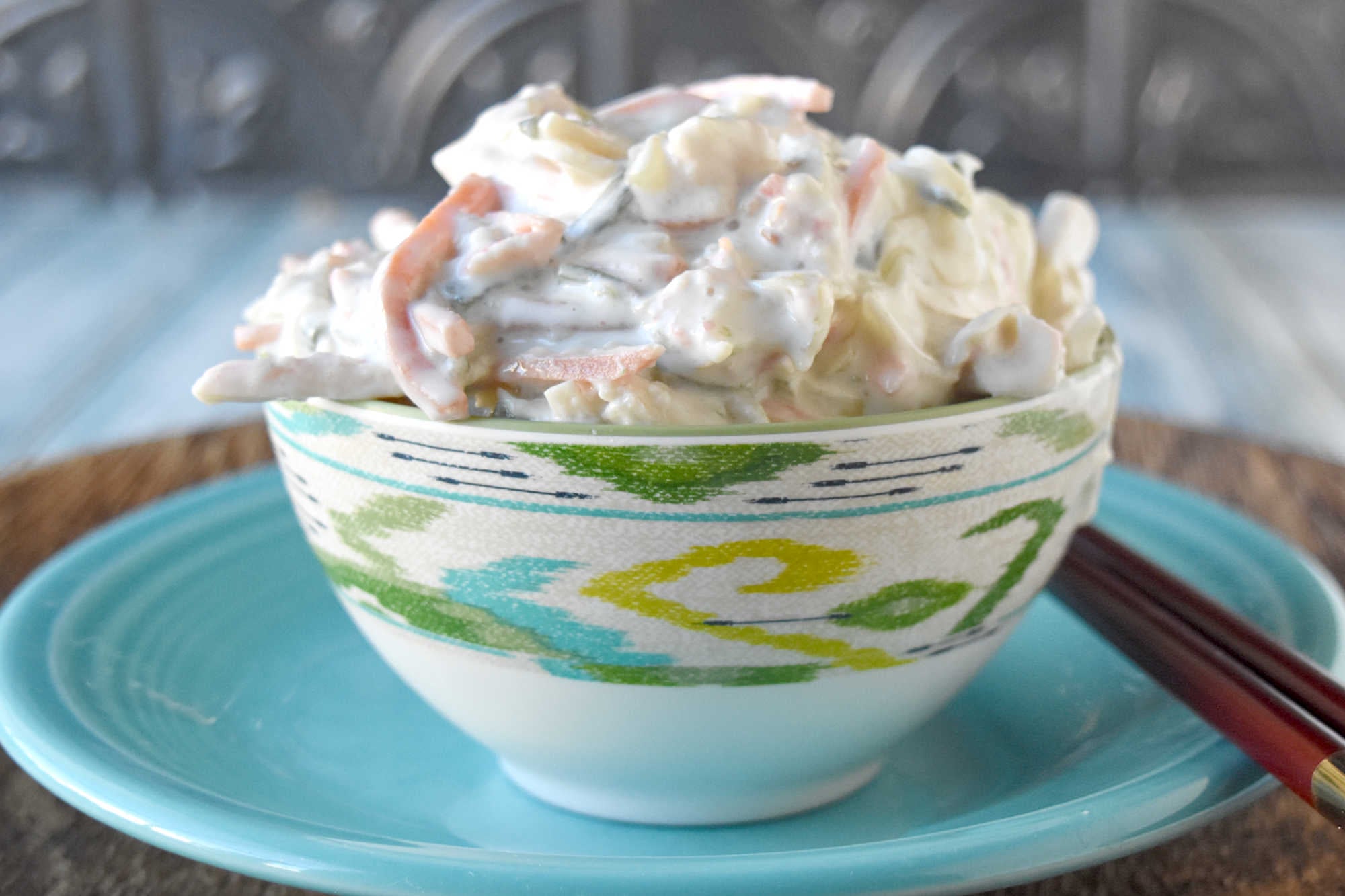
Serving Suggestions for This Kani Salad Recipe
Serve this Japanese kani salad as a sushi-night starter, a side for salmon, or a fresh topping for rice bowls. It also works well in lettuce cups, tucked beside dumplings, or spooned over avocado. For a fuller meal, add steamed rice, edamame, and miso soup.
If you are serving guests, pile the salad into a shallow bowl and finish with black sesame seeds. A little extra cucumber on top makes it look crisp and inviting. It is simple, but it feels special.
What does this Japanese Kani Salad Taste Like?
Every bite tastes cool, creamy, and lightly sweet, with just enough tang and sesame richness to keep it interesting. The imitation crab feels soft and silky against the crisp cucumber, carrot, and cabbage. A little sriracha brings gentle heat, while the black sesame seeds add a nutty finish. It is fresh, balanced, and satisfying without feeling heavy.

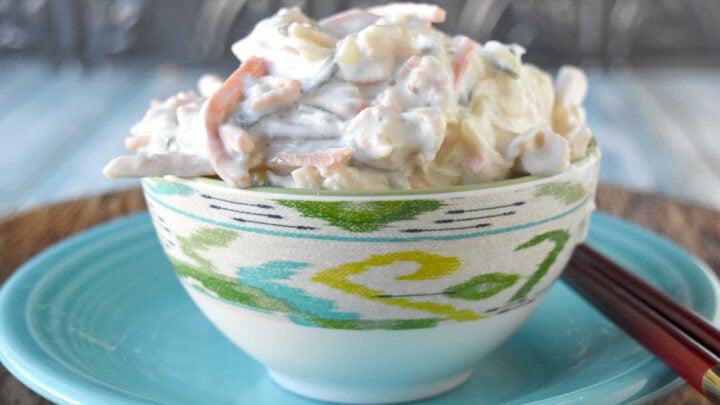
Japanese Kani Salad
Cool, creamy, crunchy, and ready for sushi night at home. This Japanese kani salad uses imitation crab, crisp veggies, sesame, and spicy mayo dressing.
Ingredients
- 2 cups shredded imitation crab
- 1 cup shredded cucumber
- 1 cup shredded carrot
- 2 cups shredded cabbage
- 1/2 cup mayonnaise
- 1 tablespoon lemon juice
- 1 tablespoon rice vinegar
- 1 tablespoon sugar
- 1 teaspoon sesame oil
- 1 teaspoon sriracha
- 1 tablespoon tamari soy sauce
- 1 tablespoon black sesame seeds
Instructions
For the Dressing:
In a small bowl, whisk together the mayonnaise, lemon juice, rice vinegar, sugar, sesame oil, sriracha, and tamari soy sauce. Whisk until the sugar dissolves and the dressing looks smooth. Taste it, then adjust with a little more sriracha for heat or lemon juice for brightness.
For the Salad:
- Add the shredded imitation crab, cucumber, carrot, and cabbage to a large mixing bowl.
- Pour the dressing over the salad.
- Toss gently until the crab and vegetables are evenly coated.
- Sprinkle in the black sesame seeds and toss once more.
- Chill for 15 to 30 minutes, or serve right away if you want the vegetables extra crisp.
- Serve cold with extra sesame seeds or a small drizzle of sriracha, if you like.
Nutrition Information
Yield
12Serving Size
1Amount Per Serving Calories 148Total Fat 9gSaturated Fat 1gUnsaturated Fat 8gCholesterol 13mgSodium 379mgCarbohydrates 13gFiber 2gSugar 6gProtein 4g
Farmer's Market Week Monday 2026
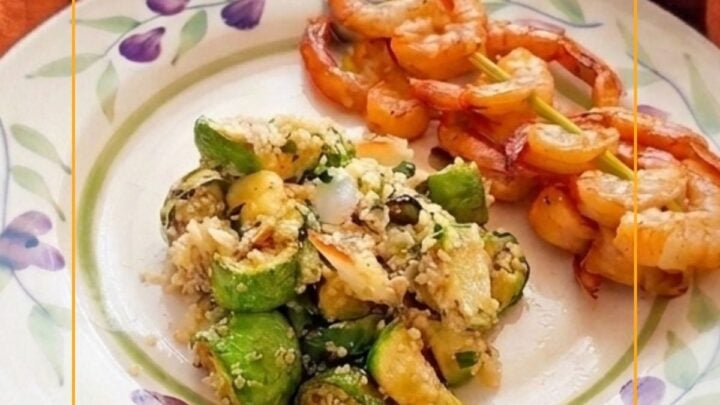
Grilled Summer Squash and Quinoa: Two Delicious Ways to Serve
Grilled Squash and Quinoa is a delicious side dish for your cookouts. Serve it warm as a pilaf or chill it to enjoy as a salad later.
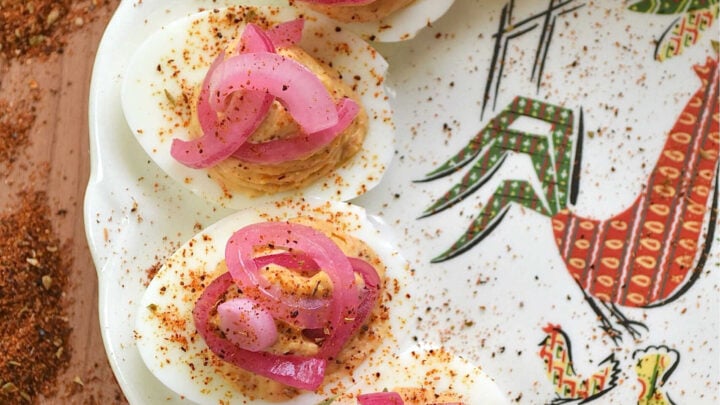
Pickled Red Onion Southwestern Deviled Eggs
These Southwest-inspired deviled eggs are ultra-creamy, perfectly tangy, and loaded with a savory, custom-blended Smoky Southwestern Seasoning that doesn't rely on heat to deliver massive flavor.
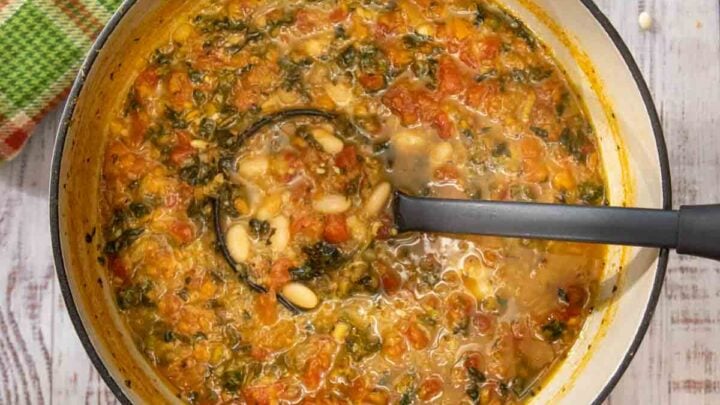
Tuscan White Bean Soup with Kale
With a bright fresh flavor, this Tuscan White Bean Soup with Kale is easy, healthy and perfect all year round.
Roasted Tomato Tarts with Lemon Basil Ricotta
Roasted tomato tarts with lemon basil ricotta feature crisp puff pastry, caramelized tomatoes, and fresh basil for a colorful summer appetizer.
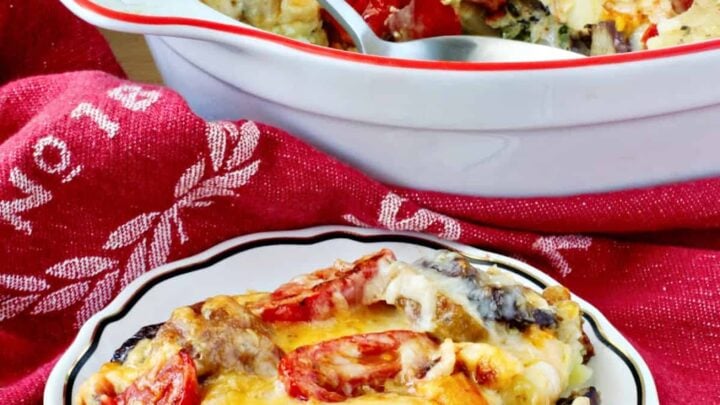
Potato, Eggplant, Tomato, and Cheddar Gratin
This potato, eggplant, tomato, and cheddar gratin is a wonderful summer dish and a great way to take advantage of the bounty of fresh vegetables available this time of year.
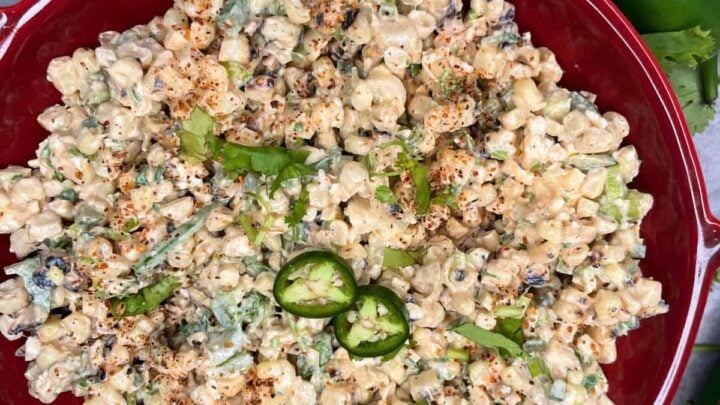
Mexican Street Corn /Esquites
Esquites is a delicious Mexican street-food with tender corn kernels, creamy mayo and crema, tangy lime, salty Cotija cheese, chili powder, and fresh cilantro.

Grilled Nectarines with Goat Cheese
Whether you make them for a summer side dish or an easy dessert, Grilled Nectarines with Goat Cheese make a juicy sweet summer treat.
Summer Chicken Stew
Summer Chicken Stew it is chock-full of the flavors of the season, but also because it is cooked using a slow cooker, perfect for hot summer days when you don't want to heat up the house.
More Farmer's Market Week Recipes
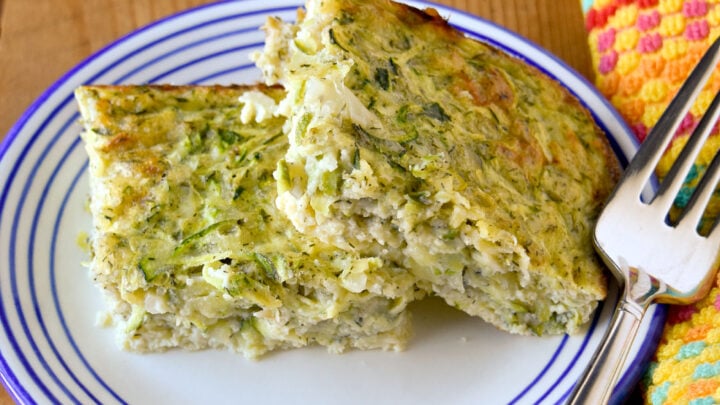
Crustless Zucchini and Cheese Pie
Crustless Zucchini and Cheese Pie has 2 kinds of cheese and bakes up in no time. It’s packed with fresh summer zucchini and makes a great appetizer or light lunch.
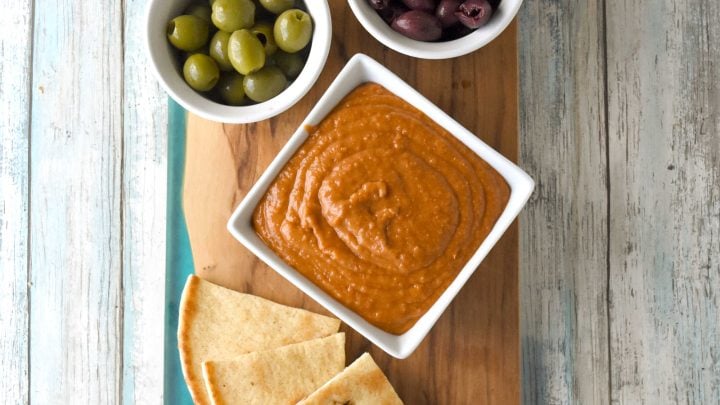
Fresh and Easy Ajvar Sauce is Super Versatile
Add some flavor to your meals without spending hours in the kitchen. Easy Ajvar Sauce is the perfect solution for quick and tasty meals on the busiest of nights.
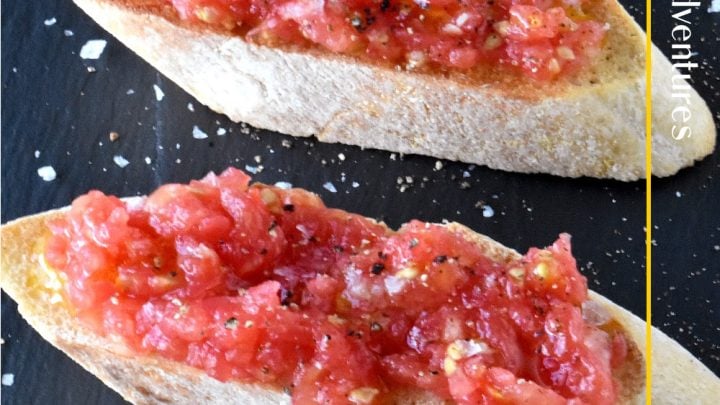
Pan Con Tomate Unlocks the Taste of Spain
Elevate your next party with a Spanish twist by serving Pan con Tomate. It's a crowd-pleasing appetizer that's easy to make with a handful of ingredients that pack a ton of flavor.

(Southern Fried) Mexican Corn Salad
(Southern Fried) Mexican Corn Salad is a combination of southern style fried corn and Mexican corn salad. The corn is caramelized with butter, then cooled and combined with Mexican corn dressing.
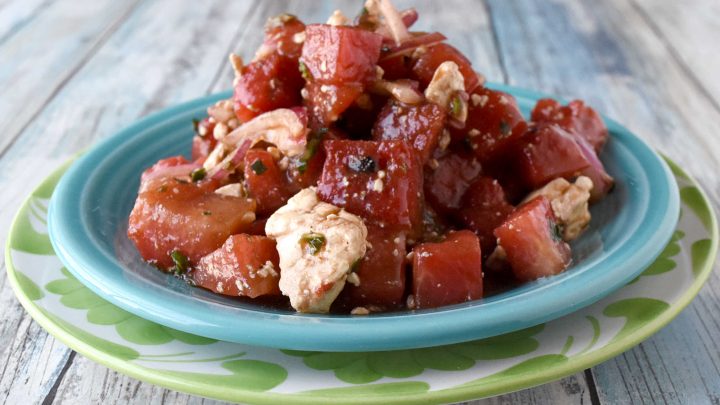
Simply Easy Spicy Watermelon and Feta Salad
Tired of boring salads? Add a kick of heat and sweetness with our Spicy Watermelon and Feta Salad! Guaranteed to impress your family and friends.
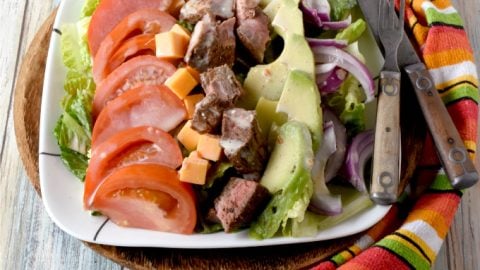
Blackened Steak Cobb Salad
Blackened Steak Cobb Salad has a bit of spice and heat on top of crisp greens with onions, tomatoes, avocados, cheese, and hard-boiled eggs. It’s a hearty dinner salad that is quick and easy to make.
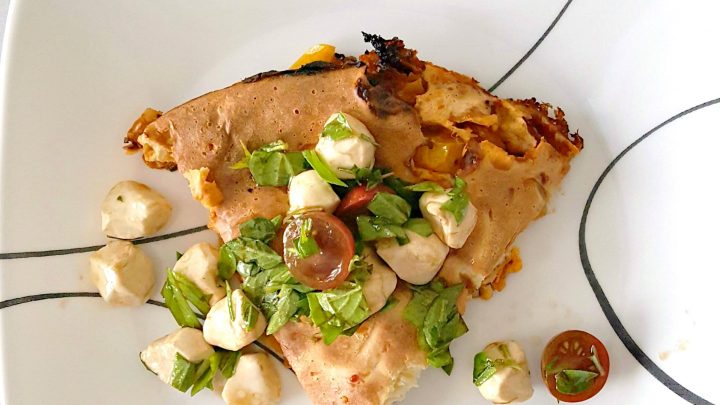
Blistered Tomato Dutch Baby
Using farm fresh cherry tomatoes, tomato pesto, and some of our own home-grown tomatoes, this Blistered Tomato Dutch Baby is definitely #farmtotable friendly.
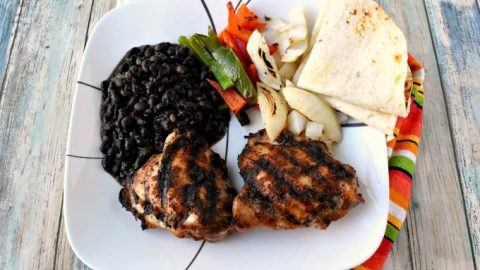
Deconstructed Grilled Chicken Fajitas
Grilled chicken, colorful peppers, and all the classic toppings separated just for you. Our deconstructed fajitas offer a fresh experience with every forkful. Click the link in bio to order yours now.

Dijon Pan Bangat
A delicious farmer’s market find tops this Dijon Pan Bangat sandwich. It’s rich, delicious, and packed with flavor. Perfect for picnics, pan bagnat need time to “marinate” before eating.

Grilled Chicken Tacos with Strawberry Salsa
Grilled Chicken Tacos with Strawberry Salsa have a sweet and spicy kick you will love. The strawberries replace the tomatoes in the salsa and fits perfect with the onions, jalapeno, and creamy avocado.
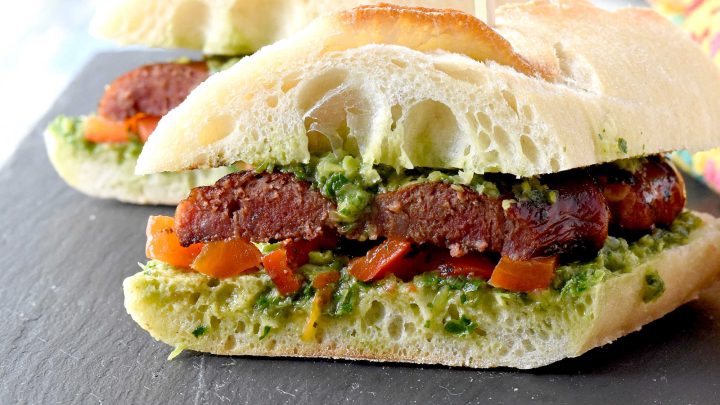
Grilled Choripán with Chimichurri
When grilled choripán meets vibrant chimichurri, every bite bursts with smoky richness and herby freshness. Make your dinner unforgettable with this classic combination.
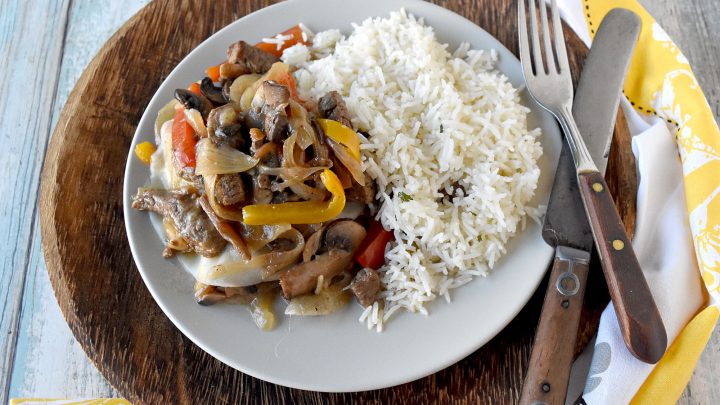
Philly Style Pepper Steak
Philly Style Pepper Steak is a quick and easy meal packed with veggies and delicious meat. It’s quick and delicious meal for a busy weeknight.
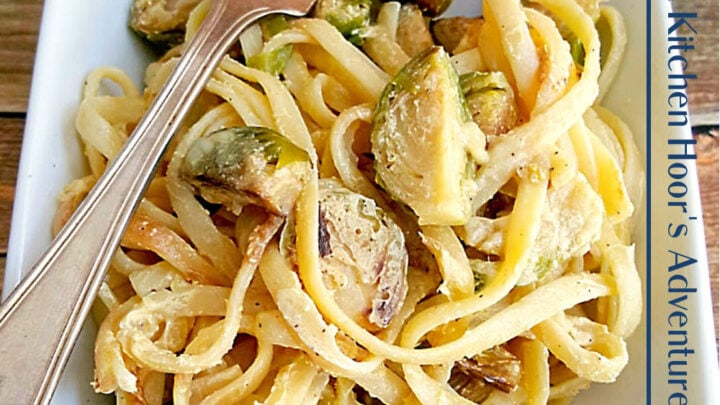
Roasted Brussels Sprouts Carbonara
Slightly sweet and nutty; Roasted Brussels Sprouts Carbonara is a deliciously different take on the Italian classic dish.
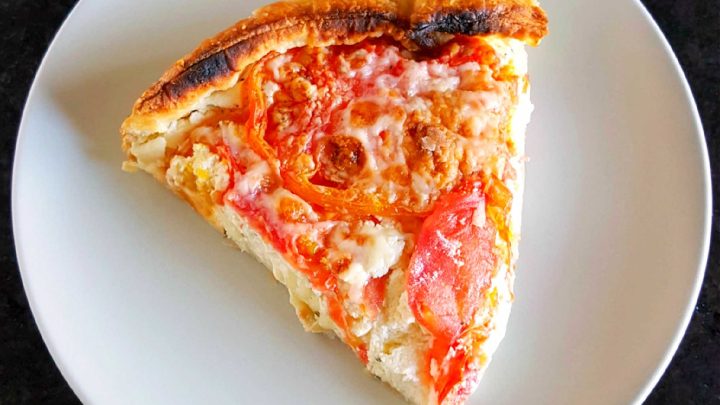
Rustic Tomato and Ricotta Tart
Elevate your brunch game with our Rustic Tomato and Ricotta Tart. Perfect for a lazy Sunday morning or impressing guests, this tart is a delicious and Instagram-worthy addition to any meal.

Taco Stuffed Zucchini Boats
Taco Stuffed Zucchini Boats have tons of flavor and perfectly fun to eat. Your kids will focus on the boats and not the zucchini.
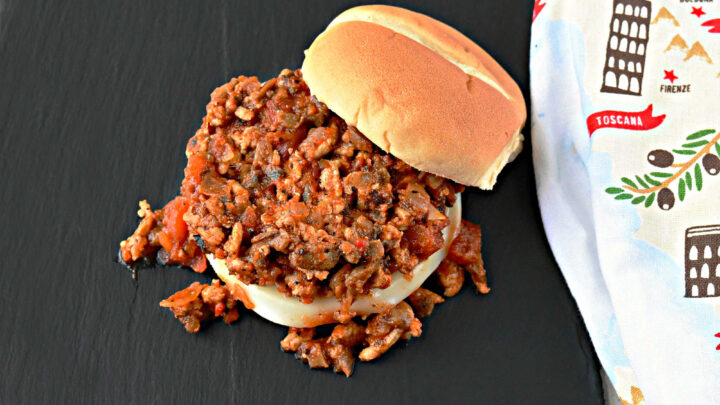
Tuscan Chicken Sloppy Joes
Mix up your traditional Sloppy Joe recipe with a Tuscan twist! These Tuscan Chicken Sloppy Joes are sure to be a hit with the whole family.
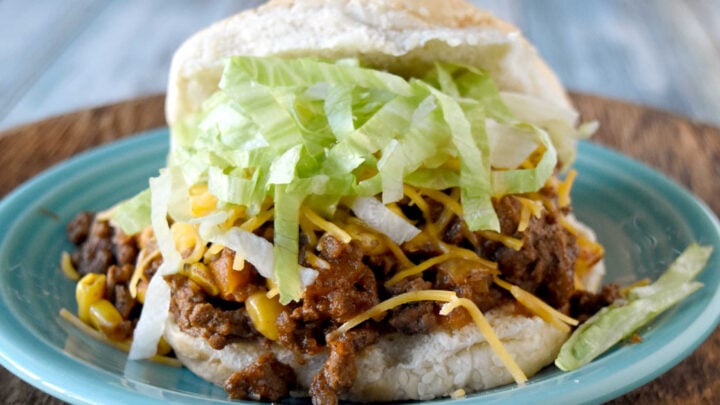
Taco Sloppy Joes
This Easy Taco Sloppy Joes recipe combines lean ground turkey, salsa, corn, cheddar cheese, and smoky chipotle flavor for a quick one-pan dinner the whole family loves. Perfect for busy weeknights, meal prep, and budget-friendly meals.
Easy Chicken Stir-Fry Recipe Revolutionizes Weeknight Dinner
This Easy Chicken Stir-Fry with Homemade Sauce brings bold flavor, crisp veggies, and fast cooking to any weeknight. Perfect for meal prep, farmers market finds, and quick dinners.

Black Forest Icebox Cake is the Ultimate Recipe You Need to Try
Tired of the same old desserts? Elevate your game with this Black Forest Icebox Cake. It's a delicious twist on the classic German treat. Your taste buds will thank you.

Grilled Peach Napoleons with Easy Bavarian Cream
Grilled summer peaches are layered between cream and puff pastry. Grilled Peach Napoleons with Easy Bavarian Cream sounds fancy, but is easy. You can prepare everything ahead of time and assemble right before serving for a perfect barbecue dessert.

Peach Crisp Popsicles
Peach Crisp Popsicles have delicious summer flavor in an easy to whip up frozen dessert. The granola adds the texture of a crisp without heating up the kitchen.
Peach Liège Waffles
Peach Liège Waffles are a rich, yeast waffle that’s more bread than waffle. They’re lightly sweet and packed with ripe peaches.
Watermelon Mojito Popsicles
Summer sweet watermelon and mint are blended with rum in these scrumptious pop-tails! Watermelon Mojito Popsicles are just the thing to cool you off this summer! Replace the rum with simple syrup for a virgin version.